Zusammenfassung
Current AI applications in photography include automatic image enhancement, object recognition, and advanced content-based searching. Generative AI now allows for the creation of hyper-realistic images that can mimic real wildlife or landscapes while raising significant ethical concerns regarding authenticity and transparency.
Diese Zusammenfassung wurde mit KI-Unterstützung erstellt.
Artificial Intelligence (AI) has had an enormous impact on photography in recent years and will become even more important in the future. Before we get to "Generative AI," let's take a look at where we are already using AI in photography today.
Automatic Image Enhancement
AI can be used to automatically improve images by optimizing aspects such as color, contrast, and sharpness. This can help images look better and become more attractive.
Object Recognition
AI can be used to recognize and identify objects and faces in images. This can help images be better categorized and sorted.
Image Search
AI can be used to search for images based on content rather than just metadata like title or date. This can make searching for images significantly more effective and accurate.
The Significance of Generative AI
One of the most remarkable applications of AI in photography is the generation of images that are indistinguishable from real photos. This technology is referred to as "generative AI" and is based on the ability of machines to recognize and reproduce patterns and structures in large datasets. Generative AI is often used in art and design to create things such as new clothing items or architectural models.
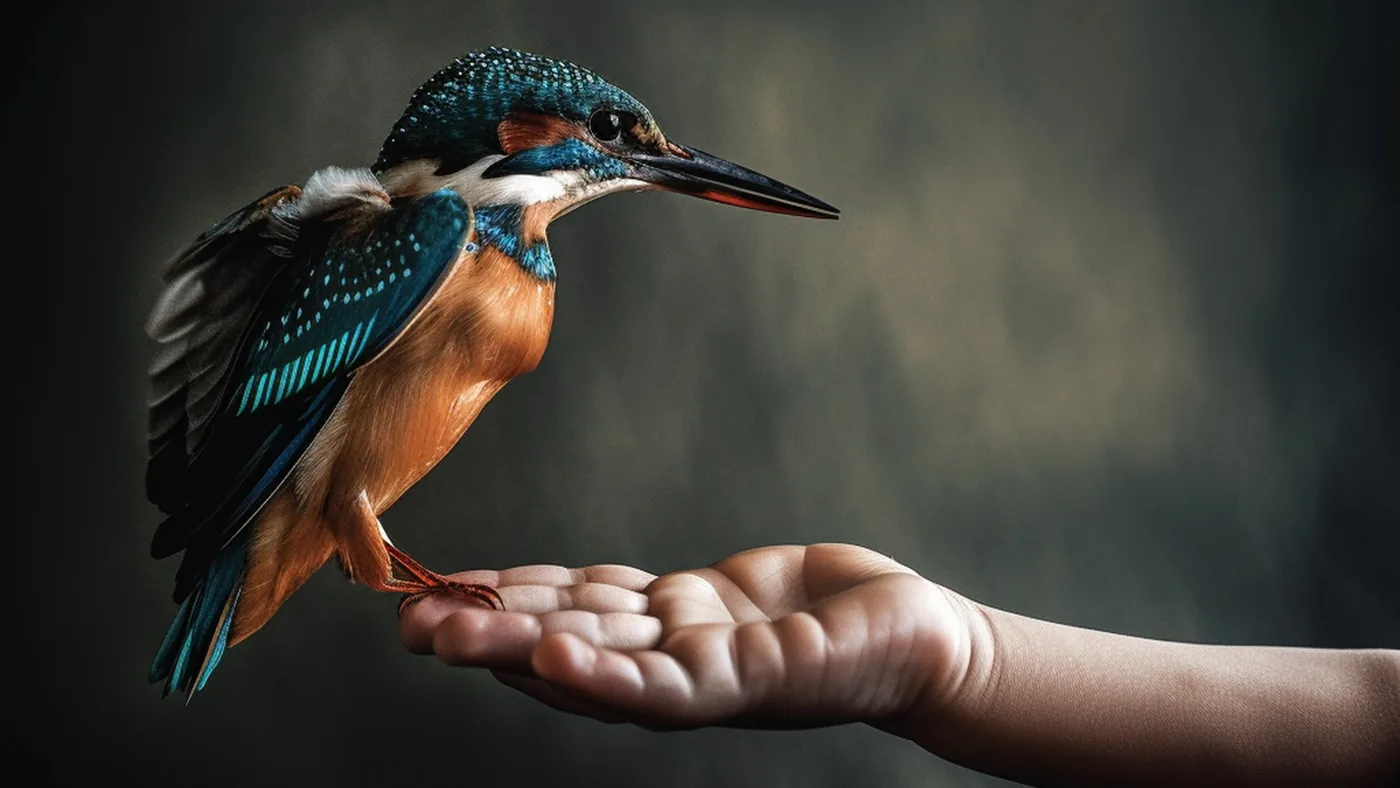
In photography, generative AI can be used to create realistic images of landscapes, architecture, or even animals that do not exist in the real world.
Ethical and Legal Issues
However, the generation of images with AI has also raised several ethical and legal questions, particularly regarding the potential use of fake images or the manipulation of images. It is important that the use of generative AI in photography is conducted responsibly and transparently to minimize potential impacts on the perception of reality.